I still remember the exact moment my perspective on travel accommodation shifted forever. It was 2 AM in a Barcelona hostel common room, surrounded by people from seven different countries, all sharing stories over cheap wine. An Italian architect was sketching the Sagrada Familia from memory while a Swedish nurse taught us folk songs. In that moment, I realized I wasn't just saving money on accommodation - I was buying experiences that no five-star hotel could ever provide.
The financial argument for hostels is obvious enough - we've all seen the staggering price differences. But what surprised me was discovering that the cheaper option often provided richer experiences. Where hotels isolate you in sterile, predictable environments, hostels thrust you into the vibrant, unpredictable heart of what travel should be about: connection, discovery, and stepping outside your comfort zone.
My transformation from hotel loyalist to hostel enthusiast didn't happen overnight. It began gradually, born from necessity during a particularly expensive business trip to London. When corporate accommodations fell through, I found myself booking a last-minute bed in a Covent Garden hostel, expecting the worst. What I discovered instead was a revelation - not just in cost savings, but in how differently I experienced the city when I wasn't returning to an isolated hotel room each evening.
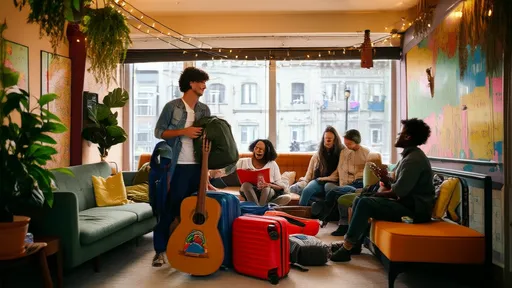
The social dimension of hostel living cannot be overstated. Hotels, by design, create bubbles of privacy and separation. You might exchange pleasantries with staff, but meaningful connections with fellow travelers are rare. Hostels operate on an entirely different social contract. Common kitchens become impromptu international cooking classes. Lounge areas transform into spontaneous language exchanges. Rooftop terraces host philosophical discussions that stretch into the early morning hours.
I've formed friendships in hostels that have lasted years - connections that began over something as simple as sharing travel tips or commiserating about lost luggage. These aren't the superficial interactions of hotel lobbies, but genuine bonds forged through shared experience. When you're navigating a foreign country together, or helping someone decipher a confusing train schedule, you develop a camaraderie that simply doesn't exist in more formal accommodations.
Beyond the social benefits, hostels offer something increasingly rare in modern travel: authenticity. Hotels, particularly international chains, work hard to standardize experiences across locations. The room in Paris looks remarkably similar to the room in Tokyo. This consistency has its place, but it comes at the cost of local character. Hostels, by contrast, often reflect their surroundings in ways that feel organic and genuine.
The family-run hostel in Lisbon where the owner's grandmother taught guests how to make pastéis de nata. The Kyoto hostel housed in a converted machiya townhouse with traditional tatami mat rooms. The Buenos Aires hostel where tango instructors gave free lessons in the courtyard each evening. These experiences aren't add-ons or paid extras - they're woven into the fabric of the accommodation itself, creating a sense of place that luxury hotels struggle to replicate.
There's also the practical education that comes from hostel living. When you're navigating shared spaces and limited resources, you develop travel skills that serve you well beyond your current trip. You learn to be more organized with your belongings, more considerate of others, more adaptable when plans change. These aren't just travel skills - they're life skills that translate directly back to your daily routine.
The evolution of hostel quality has been remarkable to witness. The stereotype of dirty, unsafe accommodations with questionable amenities persists in some circles, but it's increasingly disconnected from reality. Many modern hostels offer private rooms with en-suite bathrooms that rival hotel accommodations, while maintaining the social spaces and community atmosphere that make hostels special. The key difference is that you're paying for the essentials rather than the extensive amenities you likely won't use.
During a recent stay in Berlin, I paid €35 per night for a private room in a beautifully designed hostel that included fast WiFi, excellent security, and a breakfast buffet that would put many hotels to shame. The common areas featured coworking spaces, a fully-equipped kitchen, and regular cultural events. Down the street, a comparable hotel room was charging €180 nightly. The math becomes difficult to ignore when the cheaper option offers equal comfort with added social benefits.
Budget considerations extend beyond just accommodation costs. The communal nature of hostels leads to natural information sharing that can save travelers significant money on everything from transportation to dining to attractions. I've discovered incredible local restaurants, free museum days, and efficient transit routes through casual conversations in hostel kitchens - tips that rarely surface in guidebooks or hotel concierge recommendations.
Perhaps the most underrated aspect of hostel travel is how it challenges our assumptions about comfort and luxury. We're conditioned to believe that more privacy and more services equal better experiences. But after numerous hostel stays across four continents, I've come to appreciate different definitions of comfort. The comfort of spontaneous laughter with new friends. The comfort of local knowledge shared freely. The comfort of feeling part of a temporary community rather than just another tourist passing through.
This isn't to suggest that every hostel experience is perfect. I've had my share of noisy roommates, questionable cleanliness situations, and personality conflicts. But even these challenges become part of the travel narrative, the stories you tell later with a mix of exasperation and affection. The imperfect moments often make for the most memorable trips, creating character and resilience that sterile hotel stays simply cannot provide.
The environmental argument for hostels is another consideration that's grown increasingly important to me. Shared resources mean smaller environmental footprints per traveler. From reduced energy consumption to lower water usage to decreased waste generation, the collective nature of hostel living aligns well with sustainable travel principles. Many hostels have embraced this responsibility, implementing recycling programs, using eco-friendly cleaning products, and sourcing local food for their common areas.
For solo travelers especially, hostels offer security in community. While hotels can feel isolating for those traveling alone, hostels provide built-in social networks. There's comfort in knowing that if you need directions, recommendations, or just company for exploring, you're surrounded by like-minded individuals. This aspect has been particularly valuable during times when I've felt homesick or overwhelmed in unfamiliar places.
The demographic diversity in hostels also creates richer travel perspectives. Where hotels often cater to specific age groups or travel styles, hostels bring together students, professionals, retirees, families, and everyone in between. I've learned as much from 70-year-old backpackers as I have from recent college graduates, each bringing different life experiences and travel philosophies to the table.
Technology has transformed the hostel experience in recent years, making it easier than ever to find accommodations that match your preferences. Detailed reviews, photos, and filtering options allow travelers to select hostels based on specific criteria - whether you prioritize social atmosphere, quiet spaces, location, or specific amenities. This transparency has raised industry standards while helping travelers make informed decisions.
My transition from hotels to hostels has fundamentally changed how I approach travel. I plan less and explore more. I spend less money and collect more stories. I return home with fewer souvenirs but richer memories. The shift hasn't been about rejecting comfort or luxury, but rather redefining what those concepts mean in the context of meaningful travel experiences.
This isn't to say I'll never book a hotel again. There are circumstances where the privacy and specific amenities of hotels serve a purpose. But for the majority of my travels, hostels have proven not just a budget-friendly alternative, but a superior way to experience the world. They've reminded me that the best parts of travel often happen between the planned activities - in the spontaneous conversations and unexpected connections that luxury accommodations systematically eliminate.
The next time you're planning a trip, I encourage you to look beyond the familiar comfort of hotel chains. Consider what you truly want from your travel experience. If it's merely a place to sleep between sightseeing, any accommodation will suffice. But if you're seeking connection, authenticity, and stories that extend beyond guidebook recommendations, you might find that hostels offer something much more valuable than just cost savings. They offer the heart of travel itself.

By James Moore/Nov 10, 2025
By Samuel Cooper/Nov 10, 2025

By Daniel Scott/Nov 10, 2025

By Elizabeth Taylor/Nov 10, 2025
By William Miller/Nov 10, 2025
By Joshua Howard/Nov 10, 2025
By Joshua Howard/Nov 10, 2025

By Benjamin Evans/Nov 10, 2025

By Daniel Scott/Nov 10, 2025

By Lily Simpson/Nov 10, 2025

By Sophia Lewis/Nov 10, 2025

By Elizabeth Taylor/Nov 10, 2025

By Daniel Scott/Nov 10, 2025

By Emily Johnson/Nov 10, 2025

By Olivia Reed/Nov 10, 2025

By Thomas Roberts/Nov 10, 2025

By Megan Clark/Nov 10, 2025

By John Smith/Nov 10, 2025
By Olivia Reed/Nov 10, 2025
By Ryan Martin/Nov 10, 2025
