Airports have long been considered necessary evils in the journey of travel—sterile, stressful waypoints filled with hurried passengers and overpriced sandwiches. Yet, a quiet revolution is taking place in these global transit hubs. Savvy travelers are transforming layovers from dreaded waiting periods into memorable experiences, discovering that airports can offer far more than just a place to catch connecting flights. The secret lies not in enduring these spaces, but in engaging with them differently.
The first hack involves rethinking the airport as a cultural destination rather than a transit zone. Major international airports have evolved into microcosms of their host countries, featuring museum-quality art installations, historical exhibits, and cultural performances. At Singapore's Changi Airport, travelers can wander through butterfly gardens, watch latest blockbusters at free cinemas, or marvel at the world's tallest indoor waterfall. These aren't mere distractions but genuine attractions that rival dedicated cultural institutions. The shift in perspective transforms time spent waiting into time spent discovering.
What makes this approach particularly effective is the element of surprise. Most passengers rush through terminals focused solely on their departure gates, completely unaware that they're passing by multimillion-dollar art collections or architectural marvels. By researching airport amenities beforehand or simply allowing extra time to explore, travelers uncover hidden dimensions of these spaces. The Amsterdam Schiphol Airport features a branch of the renowned Rijksmuseum, displaying Dutch Golden Age masterpieces that many visitors would otherwise miss. These cultural encounters turn layovers into bonus destinations within the larger journey.
The second transformative approach centers on culinary exploration. While airport food traditionally conjures images of generic fast food and stale pretzels, many airports now boast dining options that would be destinations in their own right. The key is venturing beyond the immediate gate area and discovering what each airport does uniquely well. San Francisco International Airport's Napa Farms Market brings together the Bay Area's celebrated wine country and artisanal food producers, offering travelers a genuine taste of Northern California's culinary scene without leaving the terminal.
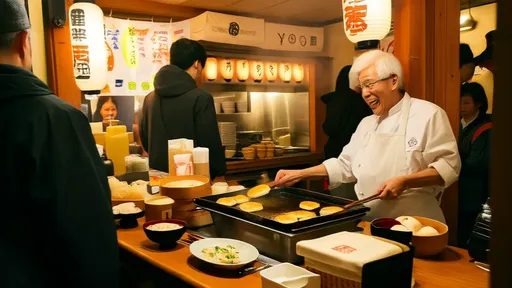
What separates this from simply grabbing a meal lies in the intentionality of the experience. Food-focused travelers plan their layovers around specific airport restaurants, treating them not as concessions but as culinary destinations. At Tokyo's Narita Airport, travelers specifically schedule longer layovers to experience authentic sushi from masters who have chosen airport locations specifically to introduce Japanese culture to international visitors. This approach transforms eating from a biological necessity into a cultural immersion, making the airport itself part of the gastronomic journey rather than an interruption in it.
The third hack involves embracing airport wellness opportunities. The traditional image of exhausted travelers sleeping across uncomfortable chairs represents a missed opportunity in airports that now offer sophisticated wellness facilities. From yoga rooms and meditation spaces to full-service spas and gyms with shower facilities, these amenities allow travelers to arrive at their destinations refreshed rather than depleted. Munich Airport's Visitor Park features a beach volleyball court and viewing platform, while Dubai International offers dedicated quiet rooms for meditation and prayer.
The brilliance of this approach lies in its counterintuitive nature. Rather than fighting airport stress with more caffeine or frantic scrolling through social media, wellness-focused travelers use layovers as opportunities for genuine restoration. Airports like Vancouver International have incorporated natural elements—living green walls, water features, and abundant natural light—that research shows reduce traveler stress. By engaging with these spaces intentionally, travelers can emerge from layovers feeling better than when they arrived, turning what was traditionally draining into something genuinely rejuvenating.
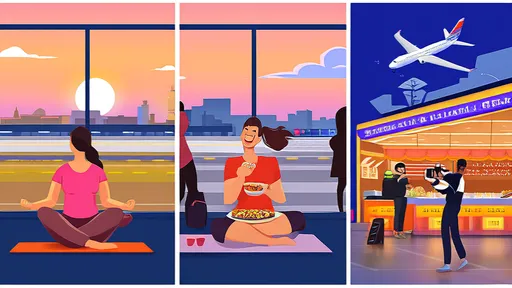
Beyond these three core approaches, the most successful airport experiences often combine elements from each. A traveler might begin with a yoga session in a dedicated wellness space, followed by leisurely exploration of an art exhibition, then conclude with a thoughtfully prepared meal at a chef-driven restaurant. This integrated approach transforms the entire airport experience from something to be endured into something to be savored. The common thread running through all these strategies is intentional engagement—choosing to interact with airports as destinations rather than mere transitions.
The psychological shift underlying these hacks proves more important than any specific activity. Travelers who approach airports with curiosity and openness consistently report more positive experiences, regardless of the actual amenities available. This mindset turns potential frustrations—delays, crowds, security procedures—into parts of the adventure rather than obstacles to it. The airport becomes not a barrier between points A and B, but point C itself: a unique environment offering experiences unavailable anywhere else.
Modern airport design increasingly supports this transformed relationship with layovers. Architects and planners now consciously create spaces that encourage exploration and relaxation rather than just efficient movement. Living walls, natural lighting, local art installations, and comfortable seating areas all signal that airports want travelers to stay, not just pass through. This represents a fundamental reimagining of what airports can be—not just transportation infrastructure but multidimensional spaces where culture, commerce, and community intersect.
The true magic of these airport hacks lies in their democratization of travel enjoyment. Unlike airline lounges that require special status or membership, most of these experiences remain accessible to all travelers. The art installations, architectural wonders, and many wellness spaces cost nothing extra to enjoy. Even premium dining experiences often prove more affordable than similar establishments outside airport security. This accessibility means that transformed layover experiences aren't reserved for business class passengers but available to anyone willing to see airports through a different lens.
As travel continues to evolve in the post-pandemic world, these approaches to layovers have taken on new significance. With flights experiencing more disruptions and connections requiring longer buffers, travelers face increased airport time. The choice becomes either frustration or opportunity. Those who embrace these airport hacks find themselves not just tolerating layovers but genuinely anticipating them. The airport transforms from the least enjoyable part of travel into an integral component of the journey itself—a space for discovery, relaxation, and unexpected pleasure.
The next time you find yourself with hours between flights, remember that you stand at a crossroads. You can choose the traditional path of impatient waiting, or you can embark on an urban exploration of one of the world's most fascinating modern environments. The art, food, wellness facilities, and architectural wonders await just beyond the crowded gate areas. The difference between a stressful layover and an enjoyable one often comes down to nothing more than perspective—and the willingness to see airports not as places you're stuck in, but as places worth discovering.
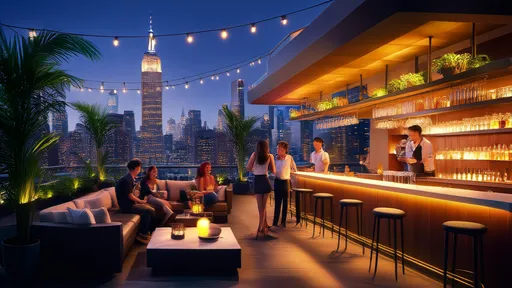
By James Moore/Nov 10, 2025
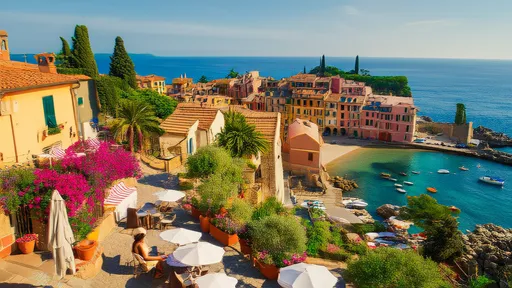
By Samuel Cooper/Nov 10, 2025

By Daniel Scott/Nov 10, 2025

By Elizabeth Taylor/Nov 10, 2025
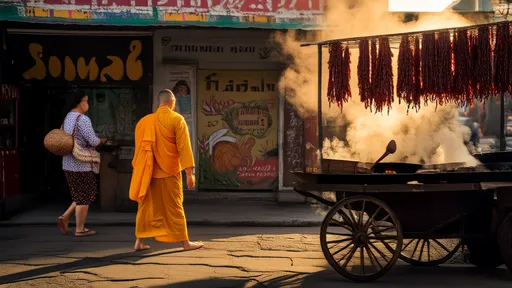
By William Miller/Nov 10, 2025
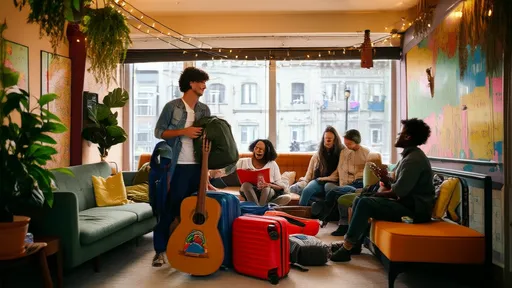
By Joshua Howard/Nov 10, 2025
By Joshua Howard/Nov 10, 2025

By Benjamin Evans/Nov 10, 2025

By Daniel Scott/Nov 10, 2025

By Lily Simpson/Nov 10, 2025
By Sophia Lewis/Nov 10, 2025
By Elizabeth Taylor/Nov 10, 2025
By Daniel Scott/Nov 10, 2025
By Emily Johnson/Nov 10, 2025
By Olivia Reed/Nov 10, 2025

By Thomas Roberts/Nov 10, 2025

By Megan Clark/Nov 10, 2025

By John Smith/Nov 10, 2025
By Olivia Reed/Nov 10, 2025

By Ryan Martin/Nov 10, 2025
