I still remember the moment it clicked for me. Standing at a Parisian bakery counter, holding a warm croissant that cost less than a euro while watching tourist groups file into an overpriced café across the street, I realized I'd been traveling all wrong. For years, I'd approached European travel as a luxury to be saved for, a grand expense to be endured. That mindset kept me from exploring for nearly a decade, until I discovered that Europe isn't a continent reserved for the wealthy—it's an accessible playground for anyone willing to approach it differently.
My transformation began not with a sudden windfall, but with a simple shift in perspective. Instead of seeing travel as something that happens between home and distant luxury hotels, I started viewing it as life happening elsewhere. This fundamental mental shift opened up possibilities I'd never considered. The Europe of five-star hotels and three-course restaurant meals exists, certainly, but parallel to it runs a different Europe—one of bustling local markets, community guesthouses, and serendipitous encounters that cost nothing but yield everything.
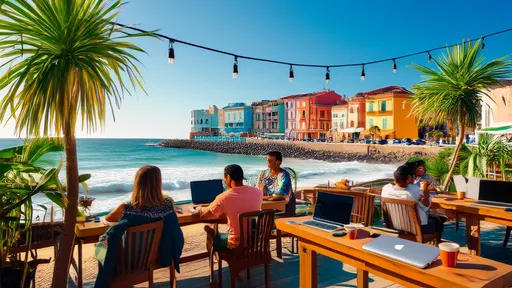
The single most powerful tool in my budget travel arsenal has been flexibility. While others pay premium prices for flying on Friday evenings and returning Sunday nights, I've discovered the magic of Tuesday departures and Wednesday returns. Airlines call these "unpopular" travel days, but I call them golden opportunities. The difference isn't just marginal—I've regularly found flights at forty to sixty percent cheaper than the same routes on popular days. This flexibility extends beyond flight dates to destinations themselves. Instead of fixating on Paris in spring, I remain open to wherever the deals lead me. This how I ended up discovering Porto's charming alleyways and Budapest's thermal baths—destinations that weren't on my original radar but became highlights of my European experiences.
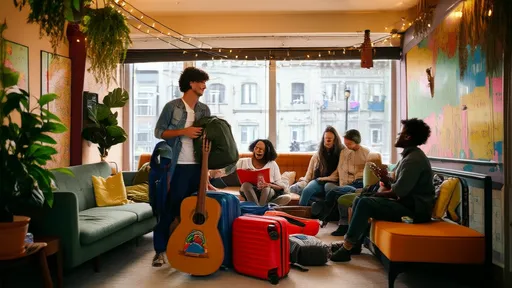
Accommodation represents another area where conventional wisdom fails budget travelers. The notion that hotels represent the only "proper" accommodation needs dismantling. Throughout my journeys, I've stayed in university dorms during summer breaks, rented rooms in local homes, and discovered the underrated joy of monastery stays. These options do more than just save money—they provide authentic connections to places and people. I'll never forget the Italian grandmother who rented me her spare room in Bologna and ended up teaching me how to make proper tagliatelle, or the Spanish students who showed me their favorite neighborhood tapas bars far from the tourist trail. These experiences didn't just save me money—they enriched my travels in ways no luxury hotel ever could.
Transportation within Europe offers another playground for the savvy traveler. While many visitors automatically reach for their credit cards to book high-speed trains between major cities, I've discovered the slower, cheaper, and often more rewarding alternatives. Regional trains might take longer, but they cost significantly less and pass through landscapes and towns you'd never see otherwise. Buses have improved dramatically in comfort and reliability across Europe, with companies like FlixBus offering routes between major cities for prices that sometimes feel like typos. For longer distances, I've become adept at finding budget airline deals, though I always factor in the cost and time of getting to and from secondary airports, which these carriers often use.
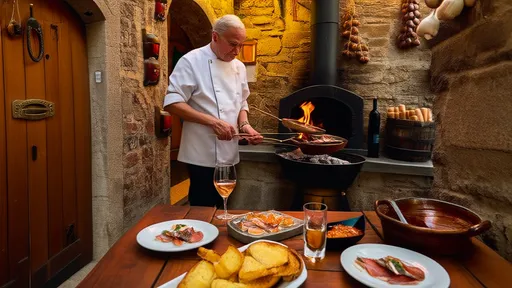
Food represents both a major potential expense and one of travel's greatest joys. My approach has evolved from seeking out restaurants mentioned in guidebooks to embracing local eating habits. Across Southern Europe, I join the locals in morning coffee standing at bar counters rather than sitting at tables—the same quality coffee at a fraction of the price. Lunch often comes from bustling markets where I can assemble a feast of local cheeses, breads, and produce for less than a sit-down meal. Dinner might be the daily special at a family-run trattoria slightly off the main squares, where the food tastes more authentic and the prices remain reasonable. The bonus of this approach extends beyond savings—I eat where locals eat, following their rhythms and traditions.
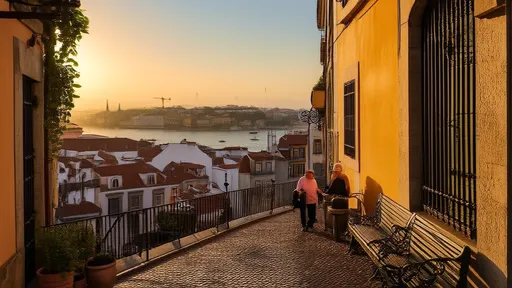
Entertainment and activities require similar rethinking. While it's tempting to purchase city passes that bundle major attractions, I've found greater satisfaction in being selective. I might splurge on one or two must-see museums or historical sites in each city, then fill the rest of my time with free walking tours (tipping the excellent guides, of course), exploring neighborhoods on foot, and visiting free admission days that many museums offer monthly. Some of my most memorable European afternoons have cost nothing—wandering through Berlin's flea markets, hiking in the hills above Nice, or simply sitting in a Lisbon square watching daily life unfold around me.
Technology has revolutionized budget travel in ways I couldn't have imagined when I started. Beyond the obvious flight and hotel comparison sites, I've discovered apps that connect travelers with last-minute local experiences, platforms for ride-sharing between cities, and websites that list free events happening in real-time. Social media groups dedicated to budget travel in specific regions have become invaluable resources for current information about deals and hidden gems. Yet I've learned to balance digital tools with old-fashioned wandering—some of my best discoveries have come from simply turning down an interesting-looking street without checking its rating online first.
The psychological aspect of budget travel deserves more attention than it typically receives. There's an unspoken pressure in travel, amplified by social media, to have "perfect" experiences that often come with premium price tags. Overcoming this requires conscious effort. I've learned to measure my travel satisfaction not by how much I've spent, but by the depth of my experiences. A simple picnic with local ingredients in a Paris park often provides more genuine pleasure than an expensive restaurant meal, and a conversation with a local shopkeeper frequently becomes a more meaningful memory than a guided tour. This mindset shift transforms budget travel from deprivation to liberation.
Seasonality plays a crucial role that many travelers overlook. While summer remains the default travel season for most, I've discovered the magic of shoulder seasons—late spring and early autumn—when the weather remains pleasant but crowds thin and prices drop significantly. Even winter offers its own rewards, with Christmas markets transforming cities into magical wonderlands and mountain regions offering affordable cozy retreats. Traveling during these periods not only saves money but provides completely different perspectives on familiar destinations.
Perhaps the most valuable lesson I've learned is that budget travel isn't about missing out—it's about trading up. You trade impersonal hotel chains for family-run guesthouses where the owner remembers your name. You trade expensive restaurant meals for market picnics in beautiful public spaces. You trade rushed itineraries packed with paid attractions for leisurely exploration that allows for spontaneous discoveries. The trade isn't downward—it's lateral, often upward in terms of authentic experience, even as it saves money.
This approach to European travel has allowed me to visit more countries, spend more time abroad, and develop deeper connections with the places I visit than I ever thought possible on my modest budget. The initial skepticism from friends and family has gradually turned into curiosity, then adoption of some of these strategies in their own travels. Europe, with its excellent infrastructure, relative safety, and incredible diversity packed into a small geographical area, remains uniquely suited to this style of travel.
My journey from budget-travel novice to confident explorer hasn't been without missteps. I've booked flights to obscure airports without checking ground transportation options, chosen accommodations based solely on price without considering location, and missed out on advance booking discounts for popular attractions. Each mistake became a learning opportunity that refined my approach. The beauty of budget travel lies in this gradual accumulation of wisdom—each trip makes you slightly savvier for the next.
Looking ahead, I'm excited to continue refining my approach and discovering new ways to make European travel even more accessible. The continent constantly evolves, with new transportation options, accommodation innovations, and changing travel patterns creating fresh opportunities for the budget-conscious. What remains constant is the truth I discovered that day in Paris: the richest travel experiences often come with the smallest price tags, waiting only for those willing to look beyond conventional tourism and embrace Europe on its own terms.

By James Moore/Nov 10, 2025
By Samuel Cooper/Nov 10, 2025
By Daniel Scott/Nov 10, 2025
By Elizabeth Taylor/Nov 10, 2025
By William Miller/Nov 10, 2025
By Joshua Howard/Nov 10, 2025
By Joshua Howard/Nov 10, 2025
By Benjamin Evans/Nov 10, 2025

By Daniel Scott/Nov 10, 2025

By Lily Simpson/Nov 10, 2025
By Sophia Lewis/Nov 10, 2025
By Elizabeth Taylor/Nov 10, 2025

By Daniel Scott/Nov 10, 2025
By Emily Johnson/Nov 10, 2025
By Olivia Reed/Nov 10, 2025
By Thomas Roberts/Nov 10, 2025

By Megan Clark/Nov 10, 2025
By John Smith/Nov 10, 2025
By Olivia Reed/Nov 10, 2025
By Ryan Martin/Nov 10, 2025
