The morning sun filters through the narrow alleyways of Tokyo's working-class neighborhood, casting long shadows that retreat before the determined footsteps of salarymen and elderly residents.
They move with purpose toward a faded noren curtain bearing a simple inscription: "Asagohan-ya." This unassuming establishment, whose name literally translates to "Breakfast Place," has achieved what countless Michelin-starred restaurants and trendy cafes have failed to accomplish—it has captured the unwavering devotion of Tokyoites through the humble perfection of a 500-yen breakfast.
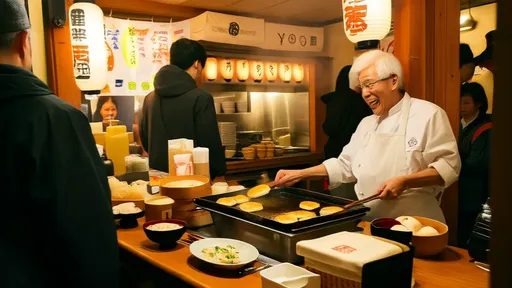
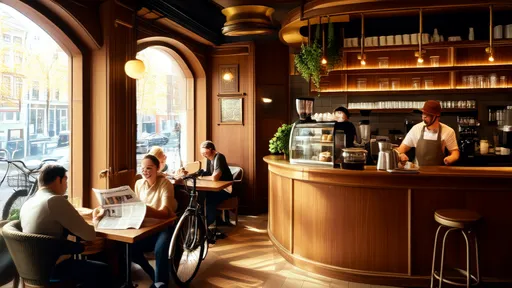
Stepping through the curtain feels like entering a different era. The air hangs thick with the comforting aromas of miso soup, freshly steamed rice, and grilling fish. A low counter seats no more than twelve, with weathered wooden stools that bear the impressions of decades of morning patrons. Behind the counter, seventy-two-year-old Yuki Tanaka moves with practiced efficiency, her hands simultaneously tending to multiple sizzling pans while greeting regulars by name. She inherited the establishment from her mother, who opened it in 1968, and has maintained its traditions with unwavering dedication.
The magic of Asagohan-ya lies not in innovation but in perfection of the familiar. For five hundred yen—approximately five dollars—patrons receive what many describe as the most comforting meal in Tokyo: a bowl of perfectly steamed rice, a generous serving of miso soup with tofu and wakame, a beautifully grilled piece of mackerel or salmon, a small dish of pickled vegetables, and a square of tamagoyaki, the slightly sweet Japanese omelet that serves as the ultimate test of a breakfast chef's skill.
What separates Tanaka's tamagoyaki from the versions served at thousands of other establishments is the attention to texture and temperature. Each layer is paper-thin yet distinct, creating a delicate structure that maintains integrity while melting on the tongue. The sweetness is subtle, never cloying, complementing rather than overpowering the savory elements of the meal. Regulars claim they can identify Tanaka's tamagoyaki blindfolded, describing it as "the taste of childhood mornings" and "what home should smell like."
The fish receives equal devotion. Tanaka arrives daily at 4:30 AM to select the freshest mackerel and salmon from the Tsukiji market vendors who now save their best pieces specifically for her. Her grilling technique—developed over fifty-three years behind the counter—involves precise temperature control that renders the skin crisp while keeping the flesh moist and flaky. She seasons with nothing but high-quality sea salt, believing that superior ingredients require minimal intervention.
The cultural significance of Asagohan-ya extends far beyond its food. In a city where convenience store breakfasts and hurried coffee have become the norm for many, this tiny establishment represents a坚守 to tradition. Office workers in impeccable suits sit shoulder-to-shoulder with construction workers in dusty uniforms, united by their appreciation for a properly prepared traditional breakfast. The silence is broken only by the sizzle of the grill and occasional murmurs of appreciation. For thirty minutes each morning, social hierarchies dissolve within these four walls.
Tanaka remembers the rhythms of her customers' lives with astonishing precision. She knows which construction worker prefers extra pickles, which office lady takes her rice with less seasoning, which elderly gentleman needs his fish cooked slightly longer for easier chewing. This personal touch transforms a transaction into a relationship, making patrons feel seen in a city of thirteen million anonymous souls.
The economic miracle of Asagohan-ya lies in its stubborn refusal to increase prices despite decades of inflation. When asked how she maintains the 500-yen price point, Tanaka reveals her philosophy: "My mother always said that a good breakfast should be available to everyone. We make enough. Why would we need more?" This commitment has created fierce loyalty among customers who sometimes leave extra money in the tip jar—a rare practice in Japan—or bring seasonal gifts from their hometowns.
Behind the scenes, the operation runs with minimalist efficiency. Tanaka works with only one assistant, a woman in her fifties who has been with her for twenty-eight years. They practice what Tanaka calls "mottainai"—the avoidance of waste. Vegetable scraps become stock, leftover rice becomes onigiri for latecomers, and every piece of fish is utilized completely. This ecological mindfulness, born from post-war scarcity, has become unexpectedly fashionable in contemporary Tokyo.
The reputation of Asagohan-ya has grown through word-of-mouth rather than marketing. Food bloggers have attempted to feature it, but Tanaka consistently declines interviews, believing that publicity would disrupt the delicate ecosystem she has cultivated. Yet somehow, knowledge of the place has permeated Tokyo's culinary consciousness. Foreign visitors occasionally find their way there, but they remain the exception in what is predominantly a local institution.
Regulars speak about Asagohan-ya with near-spiritual reverence. A sixty-eight-year-old printer named Hiroshi Watanabe has eaten breakfast there every weekday for forty-one years. "After my wife passed away," he explains between delicate bites of mackerel, "this place saved me. The routine, the familiar tastes, Yuki-san's quiet presence—it gave me a reason to get out of bed." His story is not unique; many customers describe the breakfast place as an anchor in turbulent lives.
The future of Asagohan-ya represents one of Tokyo's quiet anxieties. Tanaka has no children and has not named a successor. Regular customers try not to think about what will happen when she retires, though Tanaka herself remains characteristically practical. "Someone will continue it," she says while wiping down the immaculate counter. "The need for good breakfast doesn't disappear with one generation."
Meanwhile, the morning ritual continues unchanged. As the first light touches the Tokyo skyline, the noren curtain is drawn back, and the familiar aromas begin to drift through the alley. Salarymen straighten their ties before entering, construction workers wipe their boots, and elderly residents unfold their newspapers. For five hundred yen, they receive more than nourishment—they receive connection, tradition, and the quiet assurance that some beautiful things remain constant in a city perpetually reinventing itself.
In a metropolis celebrated for its culinary innovation and luxury dining experiences, the enduring appeal of this humble breakfast spot reveals a profound truth about Tokyo's soul. Beyond the neon and noise, beneath the relentless pursuit of the new, exists a deep appreciation for perfection in simplicity, for community in anonymity, and for the enduring power of a meal prepared with unwavering dedication. Asagohan-ya stands as a quiet testament to the things that truly nourish us—not just as bodies, but as human beings seeking connection in an increasingly disconnected world.

By James Moore/Nov 10, 2025

By Samuel Cooper/Nov 10, 2025

By Daniel Scott/Nov 10, 2025

By Elizabeth Taylor/Nov 10, 2025
By William Miller/Nov 10, 2025

By Joshua Howard/Nov 10, 2025

By Joshua Howard/Nov 10, 2025

By Benjamin Evans/Nov 10, 2025

By Daniel Scott/Nov 10, 2025

By Lily Simpson/Nov 10, 2025
By Sophia Lewis/Nov 10, 2025
By Elizabeth Taylor/Nov 10, 2025

By Daniel Scott/Nov 10, 2025
By Emily Johnson/Nov 10, 2025

By Olivia Reed/Nov 10, 2025

By Thomas Roberts/Nov 10, 2025

By Megan Clark/Nov 10, 2025

By John Smith/Nov 10, 2025
By Olivia Reed/Nov 10, 2025

By Ryan Martin/Nov 10, 2025
