I never thought much about my gut until it started speaking to me in ways I couldn't ignore. It began subtly - a strange gurgle during an important meeting, a bloated feeling after what seemed like a normal meal, then the fatigue that no amount of coffee could shake. My journey into understanding gut health started not from intellectual curiosity, but from desperation. My body was sending signals I could no longer dismiss as normal, and what I discovered along the way changed everything I thought I knew about health.
The day I realized my gut was running the show came during what should have been a routine work presentation. My heart raced, my palms sweat, and my stomach twisted into knots so tight I could barely stand straight. This wasn't just nervousness - this felt like my digestive system had hijacked my entire being. The connection between what I'd eaten for lunch and my sudden onset of anxiety was impossible to ignore. That moment sent me down a rabbit hole of research, doctor visits, and personal experimentation that revealed how profoundly our gut health influences every aspect of our existence.
What surprised me most was learning that our gut contains what scientists call our "second brain." This enteric nervous system doesn't think in words or solve math problems, but it communicates constantly with our actual brain through the gut-brain axis. The vagus nerve serves as a superhighway carrying messages back and forth, which explains why anxiety can trigger digestive issues and why gut problems can manifest as mood disorders. I began to understand that my afternoon slumps and occasional brain fog weren't just random occurrences - they were directly connected to what was happening in my digestive tract.
The microbiome revolution completely shifted my perspective on health. We're not just individuals - we're walking ecosystems containing trillions of microorganisms that outnumber our own human cells. These bacteria, viruses, and fungi aren't just passive inhabitants; they're active participants in our health, producing neurotransmitters, regulating inflammation, and even influencing our food cravings. When I learned that about ninety percent of serotonin - the neurotransmitter most associated with happiness - is produced in the gut, the connection between my digestive health and mental state suddenly made perfect sense.
My own microbiome had clearly been through some rough times. Years of stress, poor sleep, and a diet heavy on processed foods had taken their toll. The diversity of my gut bacteria had likely diminished, allowing less beneficial strains to dominate. This imbalance, known as dysbiosis, creates a cascade of problems throughout the body. Inflammation increases, nutrient absorption decreases, and the production of those crucial neurotransmitters becomes disrupted. Understanding this helped me see why addressing my gut health became the foundation for improving everything else.
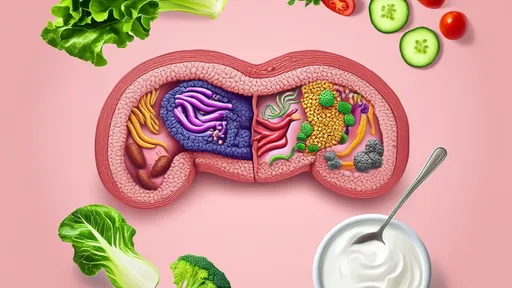
Changing my diet was the first and most challenging step. I started paying attention to how different foods made me feel, not just in my stomach but in my energy levels, mood, and even skin clarity. Fermented foods like kimchi, kefir, and sauerkraut became regular fixtures in my meals, providing probiotics to help repopulate my gut with beneficial bacteria. Prebiotic foods like garlic, onions, and asparagus became my new best friends, feeding the good bacteria already present. The transformation wasn't overnight, but gradually, the bloating decreased, my energy became more stable, and that constant low-grade anxiety began to lift.
What shocked me was discovering how gut health influences areas I never would have connected. Skin conditions like acne and eczema, autoimmune disorders, weight management difficulties, and even sleep quality all trace back to gut health in significant ways. The inflammation that starts in an unhealthy gut doesn't stay contained - it travels throughout the body, creating systemic issues. My occasional skin breakouts and stubborn weight around my midsection suddenly made sense in this new context. The gut was clearly the control center I had been ignoring for far too long.
The stress connection proved to be one of the most challenging aspects to address. Chronic stress doesn't just feel unpleasant - it physically damages gut health by altering gut motility, increasing intestinal permeability (often called "leaky gut"), and changing the composition of gut bacteria. I had to learn to manage my stress not as a luxury, but as a non-negotiable component of gut healing. Meditation, regular movement, and prioritizing sleep became as important as any dietary change. The days I skipped these practices, I could feel the difference in my digestion almost immediately.
Sleep quality showed a remarkable bidirectional relationship with gut health that fascinated me. Poor sleep disrupts gut bacteria, while an unhealthy gut can interfere with sleep through altered neurotransmitter production and inflammation. When I started prioritizing seven to eight hours of quality sleep, my digestive symptoms improved significantly. Similarly, as my gut health improved through dietary changes, my sleep became deeper and more restorative. This virtuous cycle taught me that no aspect of health exists in isolation - everything connects back to the gut in ways we're only beginning to understand.
The most profound shift came in understanding the immune connection. Approximately seventy percent of our immune system resides in gut-associated lymphoid tissue. When the gut lining becomes compromised, partially digested food particles and toxins can enter the bloodstream, triggering immune responses that lead to systemic inflammation and autoimmune conditions. My seasonal allergies noticeably improved as my gut healed, and the joint pain I had accepted as normal completely disappeared. The immune system's dependence on gut health explains why many autoimmune protocols focus so heavily on gut healing as a foundational strategy.
My experience with gut health transformation taught me that we've been approaching health backwards. We treat symptoms in isolation - a cream for skin issues, medication for mood disorders, willpower for weight management - without addressing the root cause that often lies in the gut. The pharmaceutical solutions I had tried provided temporary relief but never resolved the underlying issues. True healing required looking at my body as an interconnected system rather than a collection of separate parts, with the gut serving as the command center that influences everything else.
The journey hasn't been linear or quick. There were setbacks when old symptoms resurfaced, moments of frustration when progress seemed stalled, and social challenges in maintaining my new eating habits. But the overall trajectory has been undeniably upward. The energy I have now feels sustainable rather than chemically induced. My mood remains stable even during stressful periods. My digestion operates smoothly without constant attention. These improvements didn't come from targeting each issue individually but from nurturing my gut health as the foundation of my entire wellbeing.
What began as a desperate attempt to solve some digestive discomfort has evolved into a completely new understanding of health and wellness. The gut isn't just another organ system - it's the physical and metaphorical center of our wellbeing, processing not just food but experiences, stress, and environmental factors. The food we eat becomes the building blocks of our cells, the neurotransmitters that govern our moods, and the energy that fuels our lives. How we treat our gut reflects how we treat ourselves, and the conversation happening inside our digestive system echoes throughout our entire being.
My experience taught me that gut health isn't a niche concern for people with digestive issues - it's central to everyone's health. The research emerging almost daily continues to reveal new connections between gut health and conditions ranging from depression to Parkinson's disease. We're standing at the frontier of a medical revolution that recognizes the profound influence of this internal ecosystem. The choices we make about food, stress management, sleep, and movement don't just affect our waistlines or energy levels - they shape the microscopic world within us that in turn shapes every aspect of our health and vitality.
The most valuable lesson from my gut health journey has been learning to listen to my body's wisdom. The signals were always there - the energy crashes after certain meals, the mood shifts connected to digestion, the skin reactions that mirrored internal inflammation. I had just been taught to ignore them or suppress them with temporary solutions. Now I understand that these signals contain vital information about what my body needs to thrive. My gut wasn't the problem - it was the messenger trying to get my attention, and once I started listening, everything began to change.

By Emily Johnson/Nov 10, 2025

By Amanda Phillips/Nov 10, 2025

By George Bailey/Nov 10, 2025

By Jessica Lee/Nov 10, 2025

By John Smith/Nov 10, 2025

By Rebecca Stewart/Nov 10, 2025

By Joshua Howard/Nov 10, 2025

By Joshua Howard/Nov 10, 2025

By Grace Cox/Nov 10, 2025

By Michael Brown/Nov 10, 2025

By Grace Cox/Nov 10, 2025

By Grace Cox/Nov 10, 2025

By Samuel Cooper/Nov 10, 2025
By Amanda Phillips/Nov 10, 2025

By Natalie Campbell/Nov 10, 2025

By Benjamin Evans/Nov 10, 2025

By Natalie Campbell/Nov 10, 2025

By Victoria Gonzalez/Nov 10, 2025

By Thomas Roberts/Nov 10, 2025

By Michael Brown/Nov 10, 2025
