I never imagined that a twenty-dollar supplement would fundamentally alter my relationship with food, my body, and my overall wellbeing. For years, I had accepted digestive discomfort as my normal state—the bloating after meals, the unpredictable energy crashes, the constant mental calculations about which foods might trigger discomfort. Like many people,
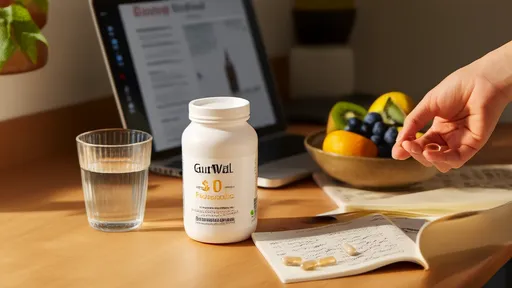
I had tried various dietary adjustments with limited success, eventually resigning myself to the belief that this was simply how my body functioned. The turning point came not from an expensive medical consultation or a radical diet plan, but from a small, unassuming bottle of digestive enzymes that cost less than a good meal at a restaurant.
My journey into gut health began during a particularly stressful period at work. The combination of tight deadlines and long hours had my digestive system in complete rebellion. I was experiencing what I later learned was "leaky gut" symptoms—brain fog, skin irritations, and persistent inflammation that made me feel decades older than my actual age. A friend, noticing my constant complaints, suggested I try a broad-spectrum digestive enzyme supplement. Skeptical but desperate, I purchased a bottle with low expectations, viewing it as just another item to add to my growing collection of failed health solutions.
The first week brought subtle but noticeable changes. The heavy, sluggish feeling that typically followed my morning oatmeal began to diminish. By the second week, I noticed my energy levels stabilizing throughout the day without the dramatic afternoon crashes I had come to expect. The most remarkable transformation occurred around the third week—the bloating that had been my constant companion for years simply vanished. For the first time in recent memory, I could eat a full meal without feeling like I needed to unbutton my pants afterward.
Understanding the science behind digestive enzymes became crucial to appreciating why this simple supplement worked where other interventions had failed. Digestive enzymes are proteins that break down food into smaller, absorbable components. Our bodies produce these naturally, but factors like stress, aging, and poor dietary habits can deplete our natural enzyme production. When food isn't properly broken down, it can ferment in the gut, leading to gas, bloating, and discomfort. The supplement I was taking contained a blend of proteases for proteins, lipases for fats, and amylases for carbohydrates—essentially providing the digestive support my body was struggling to produce on its own.
What surprised me most was how this simple intervention created a positive cascade effect throughout my entire system. As my digestion improved, my sleep quality deepened. With better sleep came improved mental clarity and emotional resilience. The skin issues that had plagued me for years began to clear up without any changes to my skincare routine. I found myself making healthier food choices naturally, not out of restriction or willpower, but because my body was finally able to properly process nutrients and send accurate hunger and satiety signals.
The psychological impact of resolving chronic digestive issues cannot be overstated. For years, I had associated eating with anxiety—constantly worrying about how my body would react to different foods. This mental burden lifted as my physical symptoms improved. Meals became enjoyable experiences rather than potential sources of discomfort. The mental energy I had previously devoted to managing my digestive issues could now be redirected toward more productive and fulfilling pursuits.
I began experimenting with different types of enzyme formulations, learning that not all supplements are created equal. Some are better suited for specific dietary patterns, while others target particular digestive challenges. I discovered that taking enzymes about ten minutes before meals yielded the best results, giving them time to activate before food entered my system. I also learned the importance of reading labels carefully—looking for products without unnecessary fillers or additives that could counteract the benefits.
My experience led me to research the broader implications of gut health, and I was astonished by what I found. The gut is often called the "second brain" for good reason—it produces numerous neurotransmitters and communicates directly with our actual brain through the gut-brain axis. An unhealthy gut can contribute to mood disorders, cognitive issues, and systemic inflammation. By supporting my digestive system with enzymes, I was potentially influencing everything from my immune function to my mental health.
Of course, digestive enzymes aren't a magic bullet for everyone. They work best as part of a comprehensive approach to health that includes proper nutrition, stress management, and regular exercise. For individuals with specific medical conditions or severe digestive disorders, professional medical guidance remains essential. However, for many people like myself who experience common digestive complaints, a quality enzyme supplement can provide significant relief and serve as a gateway to better understanding their body's needs.
The financial accessibility of this solution struck me as particularly important. In a wellness industry dominated by expensive protocols and exclusive treatments, here was something genuinely helpful that cost less than twenty dollars a month. This democratization of gut health support means that effective digestive aid isn't reserved for those who can afford functional medicine doctors or elaborate testing procedures. The supplement that changed my life remains affordable and accessible years later, which feels increasingly rare in the world of health and wellness.
Looking back, I realize that the true value of that initial twenty-dollar investment extended far beyond the physical relief it provided. It sparked a curiosity about how my body works and empowered me to take an active role in my health. I began paying closer attention to how different foods made me feel, learning to distinguish between genuine food sensitivities and temporary digestive overwhelm. This awareness has proven more valuable than any single supplement, creating a foundation of bodily intelligence that continues to guide my health decisions.
Perhaps the most profound lesson from this experience has been recognizing that sometimes the simplest interventions can yield the most significant results. In our search for complex solutions to health challenges, we often overlook the fundamental building blocks of wellness. Digestive enzymes represent one such foundational element—supporting the basic biological process of breaking down food into usable energy and nutrients. When this process functions optimally, countless other systems fall into place naturally.
Now, several years into my gut health journey, I still take digestive enzymes regularly, though I've become more strategic about their use. I might use a different formulation when eating particularly heavy or protein-rich meals, or skip them altogether when consuming simple, easily digestible foods. The supplement that started as an experiment has become a trusted tool in my wellness toolkit—one I can rely on when life gets stressful or my diet becomes more challenging than usual.
I share this story not to suggest that digestive enzymes will solve everyone's health concerns, but to highlight the potential power of addressing fundamental physiological processes. That modest twenty-dollar investment taught me more about my body than years of frustrated dieting and symptom management ever did. It reminded me that true wellness often begins with listening to our bodies' basic needs and providing the support required for optimal function. In a world of increasingly complex health advice, sometimes the most revolutionary changes come from honoring the simplicity of how our bodies are designed to work.

By Emily Johnson/Nov 10, 2025

By Amanda Phillips/Nov 10, 2025

By George Bailey/Nov 10, 2025
By Jessica Lee/Nov 10, 2025

By John Smith/Nov 10, 2025

By Rebecca Stewart/Nov 10, 2025
By Joshua Howard/Nov 10, 2025

By Joshua Howard/Nov 10, 2025

By Grace Cox/Nov 10, 2025

By Michael Brown/Nov 10, 2025

By Grace Cox/Nov 10, 2025

By Grace Cox/Nov 10, 2025

By Samuel Cooper/Nov 10, 2025
By Amanda Phillips/Nov 10, 2025
By Natalie Campbell/Nov 10, 2025
By Benjamin Evans/Nov 10, 2025

By Natalie Campbell/Nov 10, 2025

By Victoria Gonzalez/Nov 10, 2025

By Thomas Roberts/Nov 10, 2025

By Michael Brown/Nov 10, 2025
