It was 3:17 AM when I finally admitted defeat. The red digital numbers glowed like accusatory eyes in the darkness, mirroring the frantic rhythm of my own heartbeat. My third cup of coffee had been consumed at 8 PM, a desperate attempt to power through some late-night work. Now, five hours later, I was paying the price - body exhausted but mind racing, trapped in that peculiar purgatory where sleep feels simultaneously essential and impossible. This wasn't an isolated incident. This had become my normal.
The next morning arrived with the subtlety of a sledgehammer. My hands trembled slightly as I measured the dark grounds, my body already anticipating the jolt it had come to depend on. The ritual felt less like enjoyment and more like medication - a necessary evil to jumpstart a system that never seemed to fully recharge. I'd been a coffee devotee for fifteen years, my identity intertwined with the dark brew. I knew the difference between Ethiopian Yirgacheffe and Sumatran Mandheling, owned three different brewing methods, and could discuss extraction times with the fervor of a sommelier. But somewhere along the way, the romance had faded, leaving only dependency in its wake.
The breaking point came during a Tuesday afternoon meeting. My energy had crashed hard after the morning's caffeine peak, and I was struggling to concentrate. A colleague asked for my opinion on a project we'd been discussing for twenty minutes, and my mind went completely blank. Not just "I need a moment to collect my thoughts" blank, but "what project? what meeting? who are you people?" blank. The concerned looks around the table made me realize this wasn't sustainable. My relationship with coffee had shifted from companion to captor.
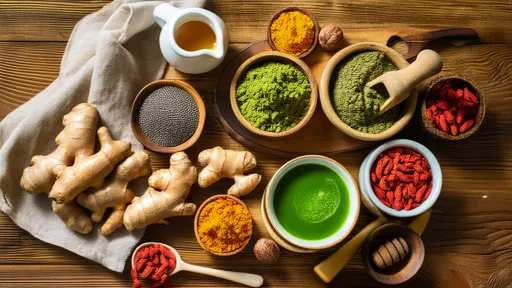
My journey away from coffee began not with dramatic rejection but with curiosity. I'd heard about matcha from a friend who swore by its steady energy, but I'd dismissed it as another wellness trend. Desperation made me more open-minded. The first thing that struck me was the ceremony of preparation. Unlike the hurried dumping of grounds and water that characterized my coffee routine, making matcha required attention. The bamboo whisk, the careful sifting of the vibrant green powder, the gentle W-shaped motion to create froth - it demanded presence in a way coffee never had.
The taste was my second surprise. My first sip was... challenging. The earthy, vegetal notes were foreign to a palate accustomed to coffee's roasted bitterness. But there was complexity there too - a subtle sweetness, an umami depth that lingered pleasantly. This wasn't a beverage you gulped down; it invited slow consumption, appreciation. By the time I finished my first bowl, I noticed something remarkable - I felt alert but calm. The jittery anticipation I associated with caffeine was absent. Instead, there was a quiet clarity, as if someone had turned on a light in a foggy room.
As days turned into weeks, the differences became more pronounced. The brutal afternoon crashes disappeared. My sleep, which had been fragmented for years, began to deepen and restore. I woke up feeling actually rested, rather than merely less tired. The constant low-grade anxiety that I'd accepted as normal began to dissipate. I hadn't realized how much of my baseline stress was chemically induced rather than circumstance created.
The science, I discovered, explained my experience perfectly. Coffee delivers caffeine rapidly, causing spikes and subsequent crashes. Matcha contains caffeine too, but it's released slowly due to the presence of L-theanine, an amino acid that promotes relaxation without drowsiness. This combination creates what researchers call "calm alertness" - the focused energy I was experiencing. The high antioxidant content was just bonus points for long-term health.
What began as an experiment has now become my new normal. I don't miss coffee's frantic energy or the way it made me feel like I was constantly running to catch up with myself. Matcha provides a steadier hand on the wheel. The energy it offers feels earned rather than borrowed - and there are no devastating interest payments due later in the day.
This isn't to say I've become dogmatic about my switch. On rare occasions, I'll still enjoy a beautifully crafted espresso when the mood strikes. The difference is that now it's a conscious choice rather than a compulsion. I can take it or leave it, and that freedom has been perhaps the most valuable benefit of all.
Friends who knew me as the coffee evangelist now ask with skepticism how I could possibly abandon my former love. I tell them it wasn't about abandonment but evolution. My needs changed, and I found something that served those needs better. The ritual of preparation has become a mindful start to my days rather than a frantic necessity. The sustained energy allows me to be more present in my work and relationships. The improved sleep has cascading benefits across every aspect of my life.
The most surprising development has been how my perception of energy itself has transformed. I used to think of energy as something to be constantly chased - something external that needed to be regularly injected into my system. Now I understand it as something to be cultivated from within, supported rather than forced. Matcha doesn't give me energy so much as it allows my natural energy to flow without obstruction.
If you're considering making a similar change, my advice is to approach it with patience. The first few days might feel challenging as your body adjusts to a different rhythm. The taste might take getting used to if you're accustomed to coffee's boldness. But give it time. Pay attention to how you feel not just immediately after consumption, but hours later. Notice your sleep quality, your afternoon slumps, your general sense of equilibrium.
For me, the switch represented more than just changing beverages. It was part of a broader shift toward living more intentionally, of choosing what truly serves me rather than following habit blindly. That 3:17 AM wakefulness was a gift in disguise - the discomfort that finally prompted me to make a change I didn't know I needed. The digital clock no longer glows with accusation in the dark; these days, when I check the time at night, it's usually just before drifting into solid, restorative sleep.
The journey from coffee dependence to matcha appreciation hasn't been about deprivation but discovery. I've traded frantic peaks and devastating valleys for steady, rolling hills. I've exchanged hurried consumption for mindful ritual. I've replaced borrowed energy with cultivated vitality. And in doing so, I've found something I hadn't even known I was missing - not just a different way to consume caffeine, but a different way to move through my days.

By Emily Johnson/Nov 10, 2025
By Amanda Phillips/Nov 10, 2025

By George Bailey/Nov 10, 2025

By Jessica Lee/Nov 10, 2025

By John Smith/Nov 10, 2025
By Rebecca Stewart/Nov 10, 2025
By Joshua Howard/Nov 10, 2025
By Joshua Howard/Nov 10, 2025

By Grace Cox/Nov 10, 2025

By Michael Brown/Nov 10, 2025

By Grace Cox/Nov 10, 2025

By Grace Cox/Nov 10, 2025

By Samuel Cooper/Nov 10, 2025
By Amanda Phillips/Nov 10, 2025
By Natalie Campbell/Nov 10, 2025

By Benjamin Evans/Nov 10, 2025

By Natalie Campbell/Nov 10, 2025

By Victoria Gonzalez/Nov 10, 2025
By Thomas Roberts/Nov 10, 2025
By Michael Brown/Nov 10, 2025
